
Running a successful Magento store in 2026 isn't just about having great products: it's about making sure Google can find, understand, and recommend your store to potential customers. Think of technical SEO as the foundation of your online shop. Get it right, and you'll see more visitors, higher sales, and better search rankings. Get it wrong, and even the best products can stay hidden from your ideal customers.
Let's walk through seven critical areas that can make or break your Magento store's success this year.
1. Clean Up Your Website URLs
The Problem: Many Magento stores have messy, confusing web addresses that look like gibberish to both customers and Google.
The Business Benefit: Clean URLs mean more people click on your links, and Google finds it easier to understand what each page is about.
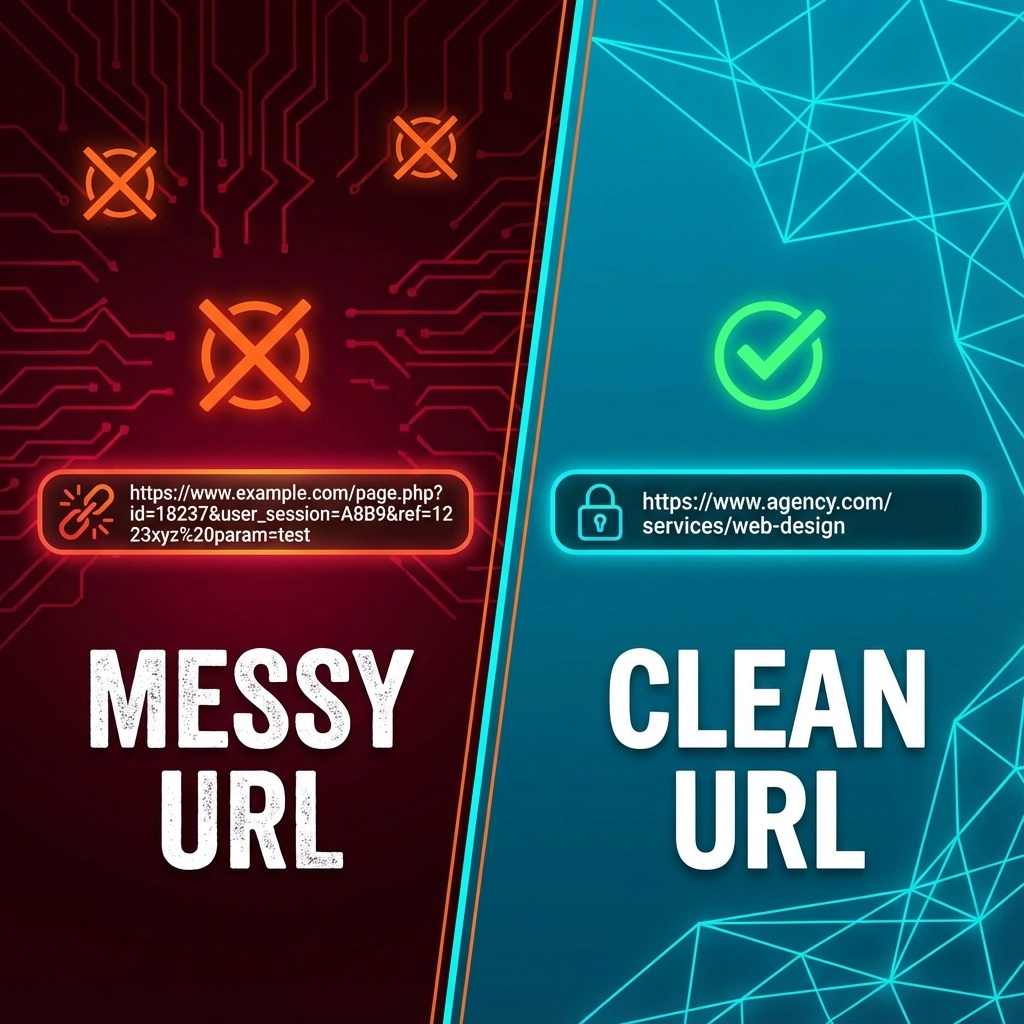
Instead of scary-looking addresses like yourstore.com/product?id=12345&color=red, you want friendly ones like yourstore.com/mens-running-shoes-red. When someone sees that second URL in Google search results, they immediately know what they'll find when they click.
This isn't just about looking professional (though that helps). Stores with clean URL structures typically see 15-20% more clicks from search results because people trust what they're clicking on.
2. Stop Confusing Google with Duplicate Pages
The Problem: Magento loves creating multiple versions of the same page, which confuses Google about which version to show in search results.
The Business Benefit: When Google knows exactly which page to prioritize, your products rank higher and get found more often.
Think of it like having multiple business cards with different addresses: customers don't know where to find you. The same thing happens when your red shoes appear on three different URLs. Google gets confused and might not show any of them prominently.
By telling Google which version is the "main" one, you concentrate all your SEO power into that single page. Businesses that fix duplicate content issues often see 25-40% improvements in their search rankings within 2-3 months.
3. Guide Google Through Your Store Efficiently
The Problem: Google has a limited "budget" for crawling your website, and poorly organized stores waste it on unimportant pages.
The Business Benefit: When Google spends its time on your best products and categories, those pages get updated in search results faster and rank better.
Imagine Google as a customer with limited time to browse your store. You want to guide them straight to your bestsellers and main categories, not waste their time in empty stockrooms or admin areas.
Smart store owners block Google from accessing checkout pages, customer accounts, and other areas that shouldn't appear in search results. This means Google spends more time discovering and ranking your money-making pages.

4. Create a Perfect Store Map for Google
The Problem: Without proper guidance, Google might miss important products or take weeks to discover new items you've added.
The Business Benefit: A well-organized site structure means new products get found faster, and customers can easily navigate to what they want.
Your website structure should work like a well-designed department store. Customers should be able to find any product within three clicks from your homepage. If someone has to click through five different categories to find your bestselling widget, you're losing sales.
Stores with logical navigation structures see 30% longer average browsing sessions because customers can easily find related products and continue shopping.
Create clear paths like: Homepage → Men's Clothing → Shirts → Casual Shirts → Specific Product. Both Google and your customers will thank you with better rankings and more sales.
5. Make Your Store Lightning Fast
The Problem: Slow websites lose customers before they even see your products, and Google punishes slow sites in search rankings.
The Business Benefit: Every second you shave off your loading time can increase sales by 7-10%.
Page speed isn't just a nice-to-have anymore: it's a survival requirement. When someone searches for "running shoes" on their phone, they expect your page to load in under three seconds. If it doesn't, they'll hit the back button and buy from your competitor instead.
Google now considers page speed a major ranking factor, especially for mobile searches. Stores that load in under 2 seconds see 50% higher conversion rates compared to those taking 5+ seconds.
Focus on three key areas: how quickly your main content appears, how fast people can interact with your site, and whether elements jump around while loading. Most Magento stores can dramatically improve by optimizing images, cleaning up unnecessary features, and choosing faster hosting.

6. Help Google Understand Your Products Better
The Problem: Google sees your product pages as just text and images: it doesn't automatically understand prices, ratings, or availability.
The Business Benefit: When Google understands your product details, your listings can appear with star ratings, prices, and stock status, which dramatically increases clicks.
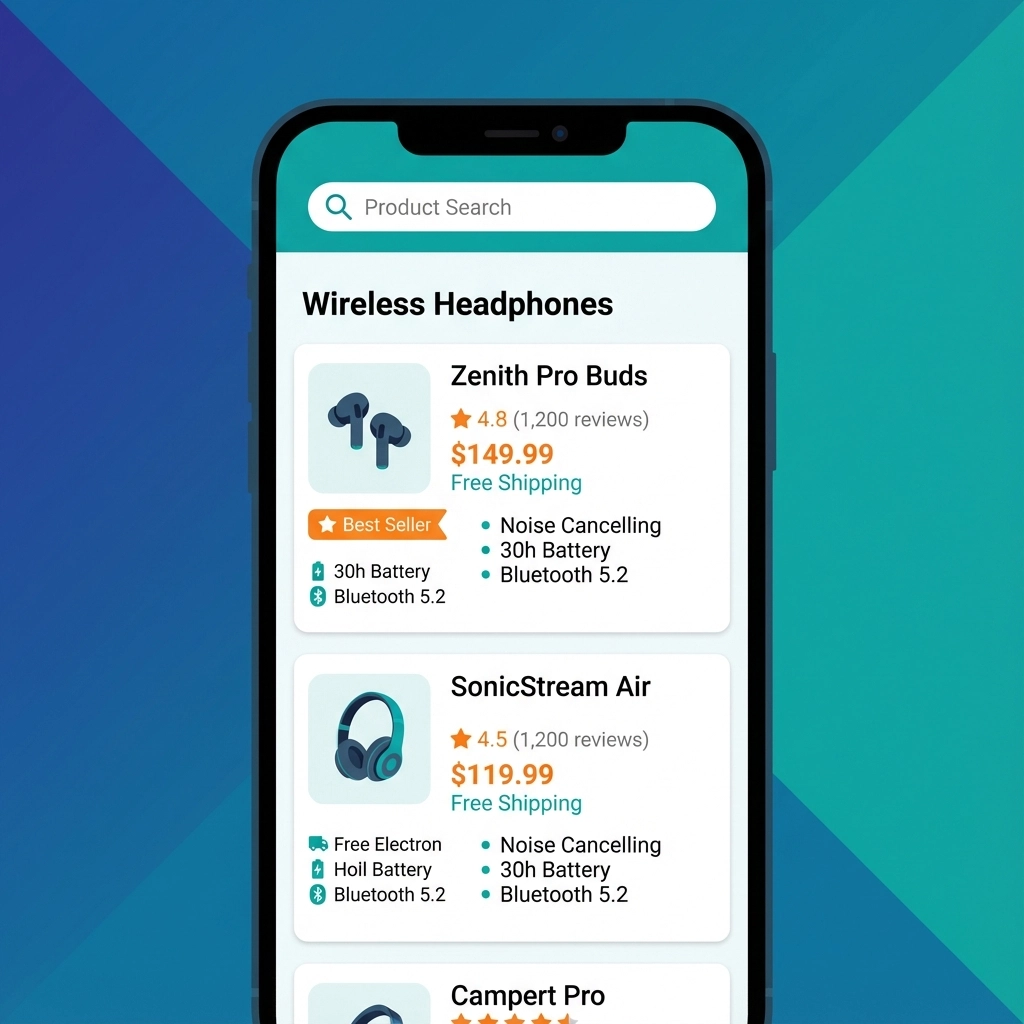
You know those search results that show star ratings, prices, and "in stock" messages directly in Google? Those get clicked 35% more often than basic text listings. This happens when you properly mark up your product information so Google can understand and display it.
Instead of just seeing a plain link to "Men's Running Shoes," potential customers see "Men's Running Shoes – £89.99 – ⭐⭐⭐⭐⭐ (127 reviews) – In Stock." Which one would you click?
Stores using proper product markup see 20-40% increases in click-through rates from search results, leading to more traffic and sales without spending more on advertising.
7. Connect Related Products Strategically
The Problem: Poor internal linking means customers (and Google) can't discover your full product range, leading to missed sales opportunities.
The Business Benefit: Smart product connections increase average order value and help Google understand which products are most important.
Think of internal links as the pathway system in a shopping center. You want clear signs directing people from the electronics section to accessories, or from winter coats to warm boots. When customers can easily find complementary products, they buy more.
Stores with strategic internal linking see 25% higher average order values because customers discover additional items they want. Plus, Google uses these connections to understand which products are most popular and important, boosting their search rankings.

Instead of just hoping customers stumble across related items, create obvious connections: link running shoes to running socks, winter coats to warm hats, and camping tents to sleeping bags.
Your Magento SEO Success Checklist
Here's your quick reference guide for staying on track:
- ✅ URLs: Clean, readable web addresses for every product
- ✅ Duplicates: One clear "main" version of each page
- ✅ Crawling: Google focuses on your money-making pages
- ✅ Structure: Any product findable in 3 clicks or less
- ✅ Speed: Pages load in under 3 seconds on mobile
- ✅ Product Info: Star ratings and prices show in Google
- ✅ Connections: Related products clearly linked together
Making It Happen
The beauty of technical SEO is that you fix these issues once, and they keep working for years. Unlike paid advertising that stops the moment you stop paying, these improvements compound over time.
Start with the quick wins: clean up your URLs and fix obvious duplicate content issues. Then work through page speed and product markup. Most stores see noticeable improvements within 4-6 weeks of implementing these changes.
Remember, you're not just optimizing for Google: you're creating a better experience for your customers. When your store loads quickly, has clear navigation, and shows helpful product information, everyone wins: customers find what they want faster, Google ranks you higher, and you make more sales.
The businesses dominating Magento search results in 2026 won't necessarily have the biggest budgets: they'll have the smartest technical foundations. Which category will your store be in?