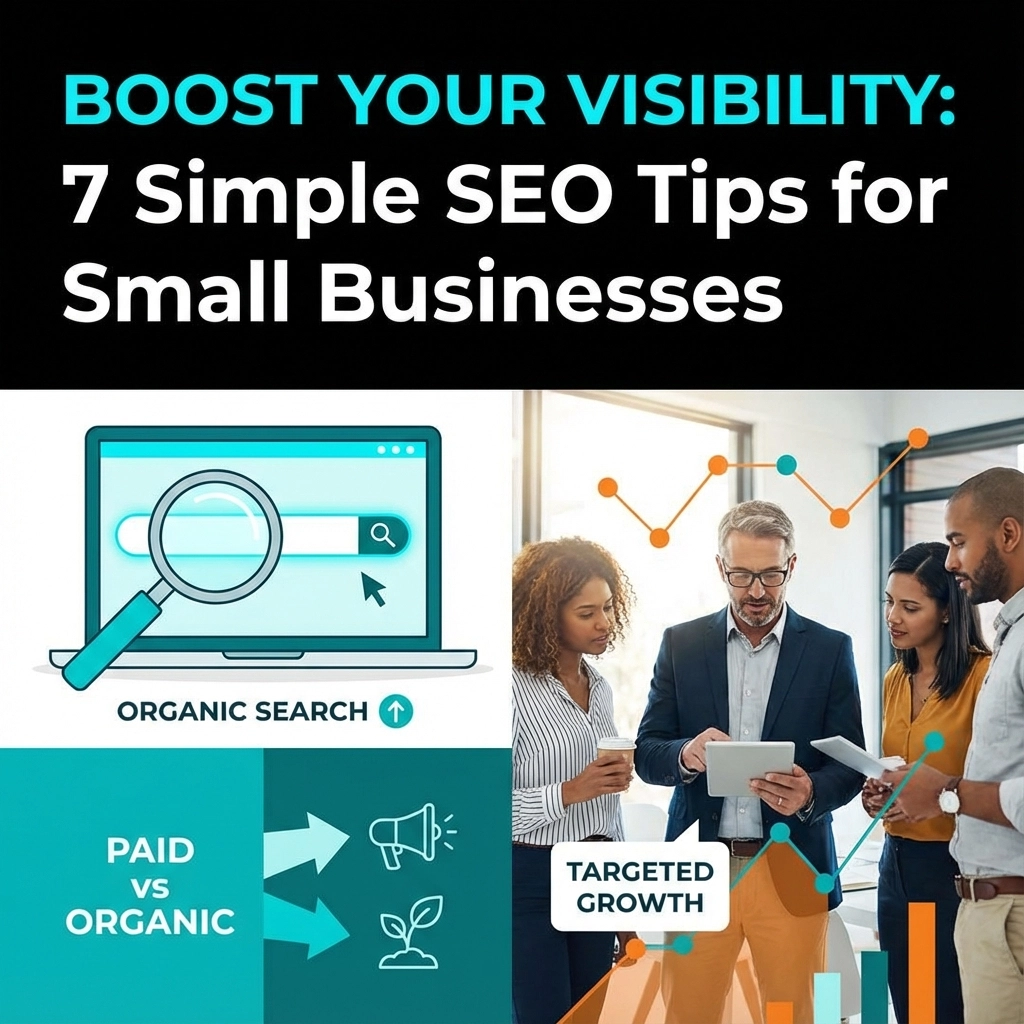
Running a small business means wearing many hats, and digital marketing shouldn't feel like rocket science. Search Engine Optimization (SEO) is one of the most powerful ways to get your business found online, but it doesn't have to be complicated or expensive.
The good news? You don't need a huge budget or technical degree to improve your online visibility. With the right approach, small businesses can compete with bigger companies and attract more customers through search engines.
Let's dive into seven practical SEO strategies that will help your business show up when potential customers are searching for what you offer.
1. Claim and Optimize Your Google Business Profile
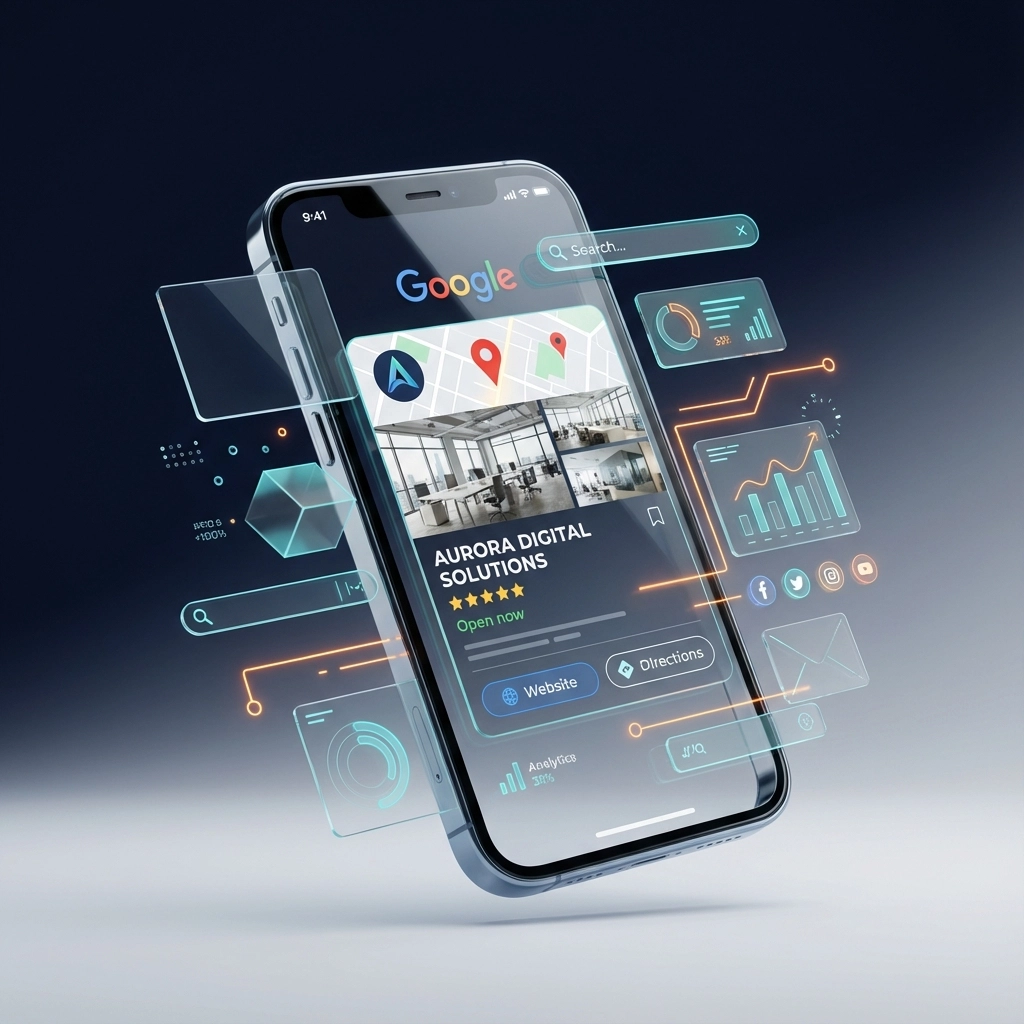
Your Google Business Profile (formerly Google My Business) is like your digital storefront. It's often the first thing people see when they search for your business or services in your area.
Setting up your profile is free and can dramatically improve your local search visibility. Make sure to:
- Add accurate business information including your address, phone number, and website
- Upload high-quality photos of your storefront, products, or services
- Include your business hours and update them for holidays
- Write a compelling business description that includes relevant keywords
- Respond to customer reviews promptly and professionally
When your Google Business Profile is complete and regularly updated, you're more likely to appear in the local pack – those top three business listings that show up with a map when someone searches for services "near me."
2. Research the Keywords Your Customers Actually Use
Keyword research might sound technical, but it's really about understanding how your customers talk about your products or services. Instead of guessing what people search for, you can use simple tools to find out exactly what terms they're typing into Google.
Start with free tools like:
- Google Keyword Planner
- Ubersuggest
- AnswerThePublic
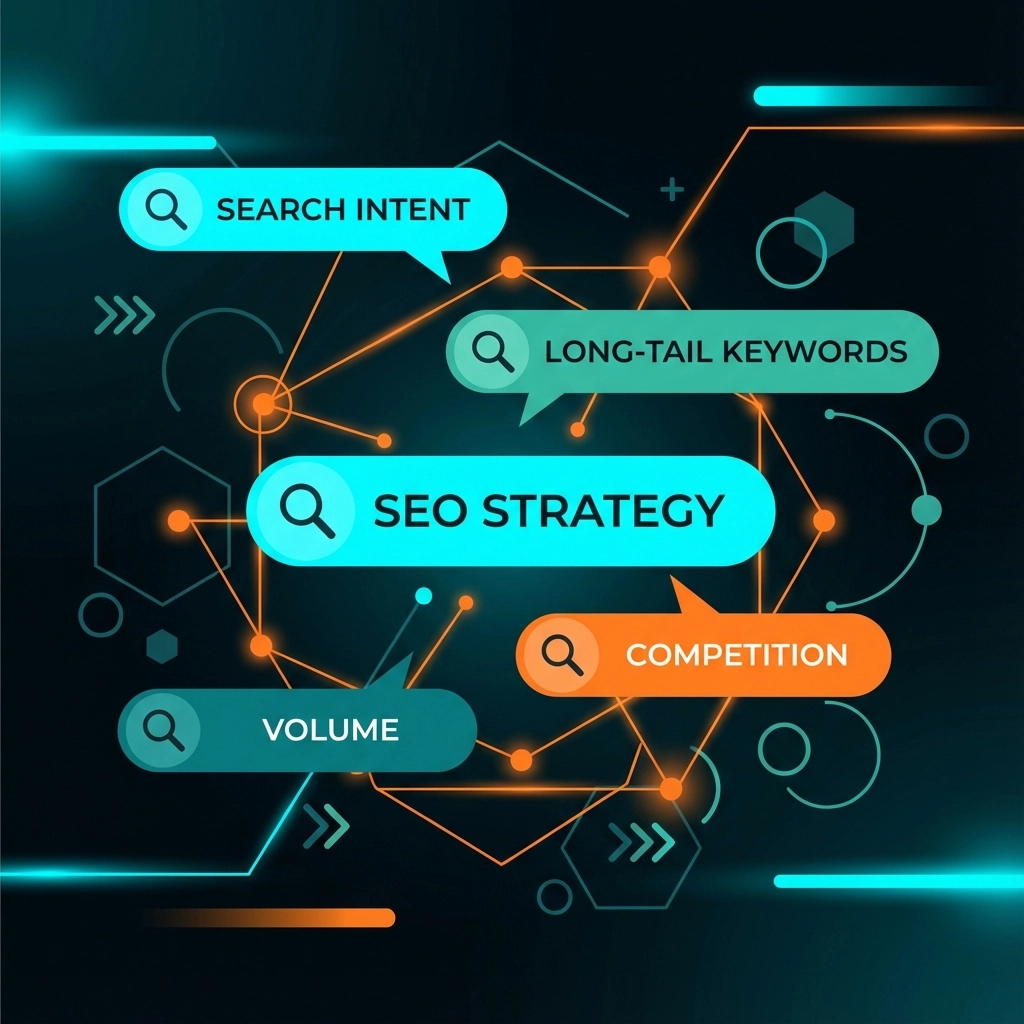
Look for keywords that have decent search volume but aren't too competitive for your small business to rank for. Long-tail keywords (phrases with three or more words) are often easier to rank for and bring in more qualified traffic.
For example, instead of trying to rank for "pizza," a local pizzeria might target "best pizza delivery in [your city]" or "family-friendly pizza restaurant near me."
3. Make Your Website Pages Search-Engine Friendly
On-page optimization is about making small tweaks to your website that help search engines understand what each page is about. The best part? Most of these changes also improve the experience for your human visitors.
Focus on these key elements:
Title Tags: Include your main keyword in the title that appears at the top of browser tabs and search results.
Meta Descriptions: Write compelling 150-160 character summaries that encourage people to click through to your site.
Headers: Use H1, H2, and H3 tags to organize your content clearly. Include keywords naturally in your headers.
Alt Text: Add descriptive text to all your images so search engines can understand what they show.
These optimizations help search engines categorize your content correctly while making your site more accessible to all users.
4. Create Content That Actually Helps People
Content marketing doesn't mean churning out blog posts just for the sake of it. The most effective content answers real questions your customers have or solves problems they're facing.
Think about the questions you get asked most often in your business. Those questions are perfect starting points for helpful content. For example:
- A plumber might write about "5 Warning Signs You Need to Call a Professional"
- A bakery could share "How to Store Wedding Cakes Before Your Big Day"
- A fitness trainer might create "Quick Workouts for Busy Parents"
When you create genuinely useful content, people are more likely to share it, link to it, and remember your business when they need your services. This type of valuable content builds trust and authority in your industry.
At NEXT Digital Agency, we help small businesses develop content strategies that attract the right customers and showcase their expertise.
5. Connect Your Pages with Smart Internal Linking
Internal linking is simply connecting different pages on your website together. When done strategically, it helps visitors find more information and shows search engines which pages on your site are most important.
Here's how to do it effectively:
- Link to your most important pages (like your services or contact page) from multiple other pages
- Use descriptive anchor text instead of generic phrases like "click here"
- Help visitors discover related content naturally
- Create a logical flow that guides people through your site
For instance, if you mention a specific service in a blog post, link to the dedicated page about that service. This keeps people on your site longer and makes it easier for them to take action.

6. Make Sure Your Site Works Great on Mobile
More than half of all web searches now happen on mobile devices. If your website doesn't work well on smartphones and tablets, you're missing out on potential customers and hurting your search rankings.
Mobile optimization includes:
- Responsive design that adjusts to different screen sizes
- Fast loading speeds (aim for under 3 seconds)
- Easy-to-tap buttons and links
- Readable text without zooming
- Simple navigation that works with thumbs
Google uses mobile-first indexing, which means they primarily look at the mobile version of your site when determining rankings. A mobile-friendly website isn't just nice to have – it's essential for good SEO.
7. Encourage and Manage Customer Reviews
Customer reviews are incredibly powerful for small businesses. They build trust with potential customers and significantly impact your local search rankings. Businesses with more positive reviews tend to rank higher in local search results.
Here's how to build a strong review strategy:
- Ask satisfied customers to leave reviews on Google, Yelp, or industry-specific platforms
- Make it easy by sending follow-up emails with direct links to review sites
- Respond to all reviews, both positive and negative, in a professional and helpful way
- Address negative reviews constructively and show you care about customer satisfaction
- Display positive reviews on your website and social media
Remember, authenticity matters more than perfection. A few negative reviews mixed in with positive ones actually makes your business appear more trustworthy than having only five-star ratings.

Putting It All Together: Your SEO Action Plan
SEO isn't about implementing every strategy at once. Start with the basics and build from there:
Week 1-2: Set up and optimize your Google Business Profile
Week 3-4: Research keywords and optimize your main website pages
Week 5-6: Create your first piece of helpful content
Week 7-8: Implement internal linking and ensure mobile optimization
Ongoing: Consistently encourage reviews and create valuable content
The beauty of SEO for small businesses is that small, consistent improvements add up to big results over time. You don't need to outspend your competitors – you need to be more helpful, more relevant, and more accessible to your ideal customers.
Ready to Boost Your Online Visibility?
These seven SEO strategies can significantly improve your small business's online presence without requiring a massive investment. The key is to start with one or two areas and gradually implement the others as you get comfortable.
SEO is a long-term investment, but the results are worth it. Better search rankings mean more qualified traffic, more leads, and ultimately more customers for your business.
Need help implementing these strategies or want a comprehensive SEO audit for your website? The team at NEXT Digital Agency specializes in helping small businesses improve their online visibility and attract more customers through effective SEO strategies.

Remember, every successful online business started with the basics. Take the first step today, and you'll be amazed at how these simple changes can transform your online presence and grow your business.